
Skincare products dominate the beauty industry, promising glowing, flawless skin through creams, serums, and treatments. While topical products play a role in protecting and maintaining the skin’s surface, true skin health is built from within. What you eat and how your body is nourished has a deeper, longer-lasting impact on your skin than any product applied externally.
Skin Is an Organ Not a Surface Problem
Skin is the body’s largest organ. It relies on a constant supply of nutrients to repair cells, regulate inflammation, produce collagen, and maintain hydration. When your body lacks essential nutrients, skincare products can only mask symptoms, not fix the cause.
Dryness, acne, pigmentation, premature aging, and dullness are often internal signals of nutritional imbalance, not product failure.
Why Skincare Alone Falls Short
Topical products work on the outermost layer of the skin. They can moisturize, protect, and temporarily improve texture, but they cannot:
- Repair nutrient deficiencies
- Correct hormonal imbalances
- Reduce internal inflammation
- Support collagen production at the cellular level
This is why expensive skincare routines often deliver short-term results that fade quickly.
Key Nutrients That Directly Affect Skin Health
Protein
Skin cells are constantly renewing. Without enough protein, this renewal slows down, leading to dull, tired-looking skin and delayed healing.
Vitamins A, C, and E
- Vitamin A supports skin cell turnover and repair
- Vitamin C is essential for collagen production and skin elasticity
- Vitamin E protects the skin from oxidative damage
Deficiencies in these vitamins often show up as uneven tone, rough texture, and early aging.
Healthy Fats
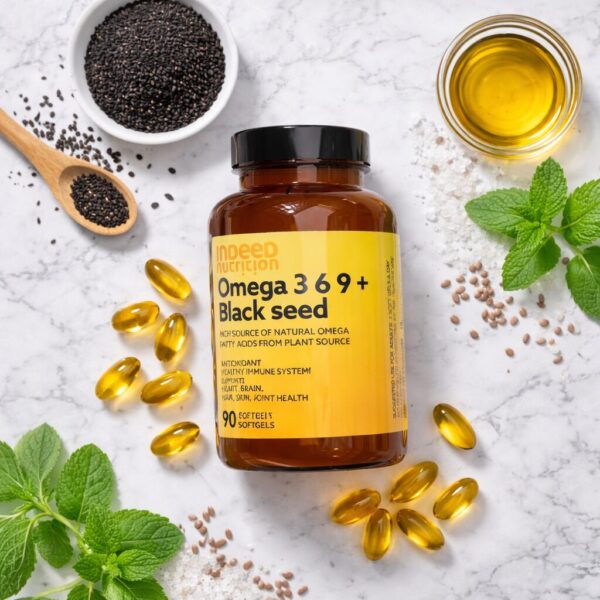
Omega-3 fatty acids help maintain the skin’s natural barrier, reducing dryness, redness, and inflammation. Lack of healthy fats often results in irritated, flaky skin.
Minerals like Zinc and Selenium
These minerals support wound healing, oil balance, and immune defense in the skin. Low levels are commonly linked to acne and sensitivity.
The Gut Skin Connection
Your gut health directly influences your skin. Poor digestion, imbalanced gut bacteria, and inflammation can trigger breakouts, eczema, and persistent dullness. Nutrition that supports gut health often leads to clearer, calmer skin without changing a single skincare product.
Supplements: Supporting Skin from the Inside
Even with a balanced diet, modern lifestyles can create nutritional gaps. High stress, processed foods, and inconsistent eating habits make it difficult to meet all nutritional needs through food alone.
Quality, science-backed supplements can help support skin health by:
- Providing consistent nutrient intake
- Supporting collagen synthesis
- Reducing oxidative stress
- Improving skin hydration and elasticity over time
The key is choosing supplements that prioritize quality, transparency, and research-backed formulations.
The Right Approach: Nutrition + Skincare
This isn’t about abandoning skincare products. The smartest approach is nutrition as the foundation, skincare as support. When your body is properly nourished, skincare products work better and results last longer.
Final Thought
Glowing skin isn’t created in a bottle. It’s built through daily nutritional choices that support your body at the cellular level. Skincare can enhance your skin, but nutrition determines how healthy it can truly be.